Why structured atoms beat fixed-size chunk RAG
On ENGRA-KB-v2 (550 docs, 400 queries), structured atoms reach 75.3% Recall@10 vs 54.8% for chunk RAG—how Library → Scope → Topic → Atom changes retrieval.
The chunk-size trap
Most agent memory stacks still treat long-term recall as a vector search problem over fixed-size chunks. Pick 512 tokens and you split tables across boundaries; pick 2,000 and you dilute relevance. Every team ends up tuning chunk size per corpus instead of fixing the unit of memory.
Chunk pipelines also struggle with updates: when a policy changes, you re-embed overlapping windows and hope the right slice surfaces. There is no stable identifier for “the pricing decision from March”—only embeddings that drift when wording shifts.
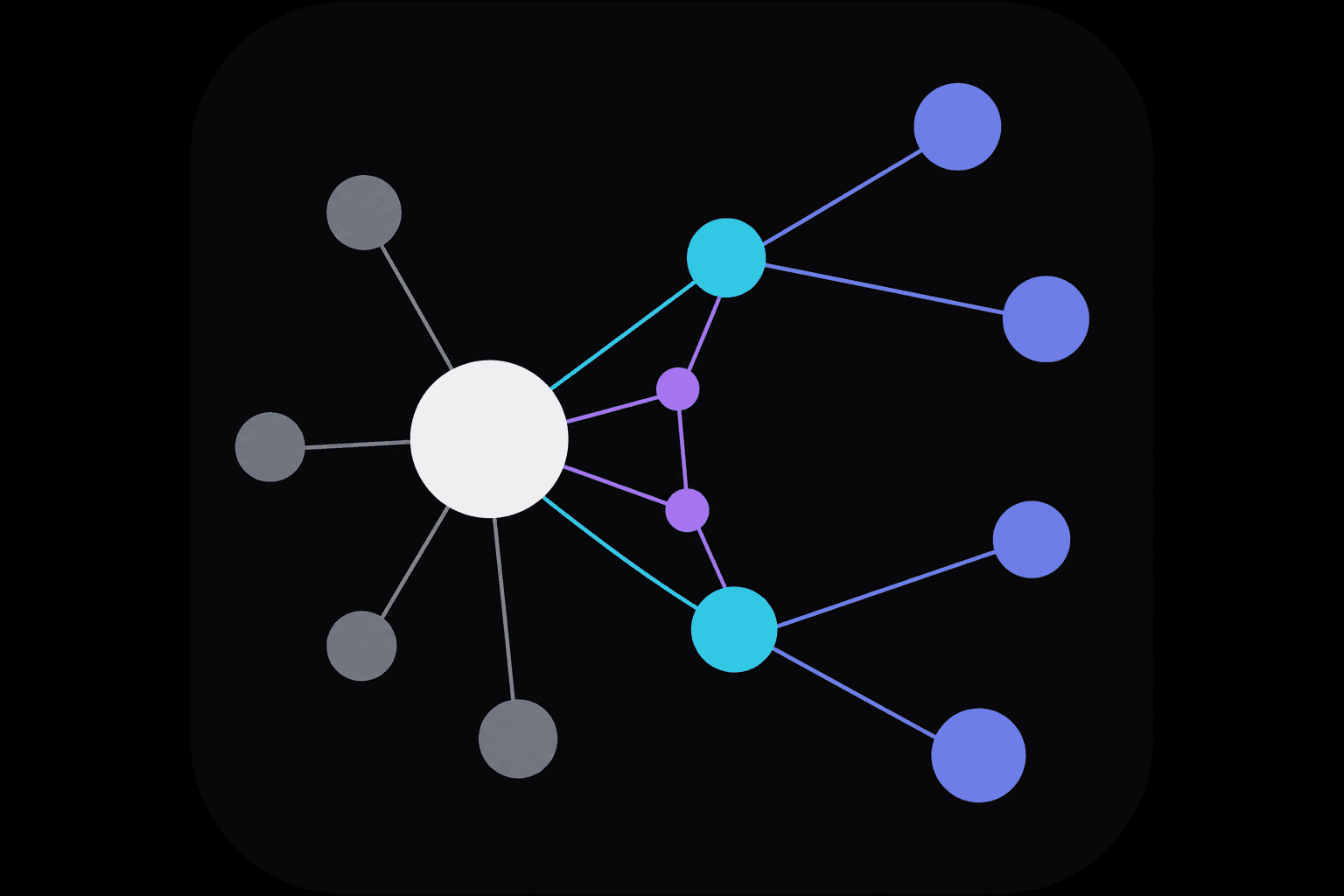
Engra stores memory as structured atoms—self-contained facts and narratives anchored in Library → Scope → Topic → Atom hierarchy. Retrieval targets atoms, not arbitrary token windows.
What we measured
ENGRA-KB-v2 is a synthetic enterprise knowledge base: 550 documents, 400 labeled queries, one embedder (Xenova/all-MiniLM-L6-v2) across all arms. We compare BM25, fixed-512 chunk RAG, and structured-atom retrieval on the same corpus so teams can reproduce results locally.
Structured atoms hit 75.3% Recall@10. Chunk RAG reaches 54.8%. BM25 lands at 52.0%. MRR follows the same ordering—atoms improve ranking quality, not just hit rate.
Download the full JSON suite from the benchmark results page or read the methodology docs.
Why atoms win
Atoms align with how builders reason about agent memory: a decision, a customer preference, a runbook step—not “paragraph 7 of chunk 12.” Each atom carries Library, Scope, and Topic metadata (JSON field libraryKey) so retrieval can filter before vector scoring.
Path backlinks between atoms make wake-up and L2 recall explainable instead of opaque similarity scores. When an agent cites memory, you can trace which atom IDs were injected and why they were linked.
The L0–L3 memory stack (identity → narrative → topic recall → deep search) lets agents load the right depth for the task instead of stuffing one flat context window.
When chunks still appear
Ingestion may still slice source files for embedding, but the retrieval unit remains the atom. Attachments and source previews are tracked separately—see the Memory product page for quota details.
If you are evaluating Engra against an in-house chunk pipeline, start with the same embedder and query set. Fair comparisons matter more than absolute scores.
Ship it in your stack
Use Memory MCP + Agent Skills for Cursor-style agents, or the REST API for orchestration.
Reproduce our numbers on your corpus, then compare atom retrieval against your current chunk pipeline. Most teams see the largest gains on procedural and policy-heavy knowledge bases.